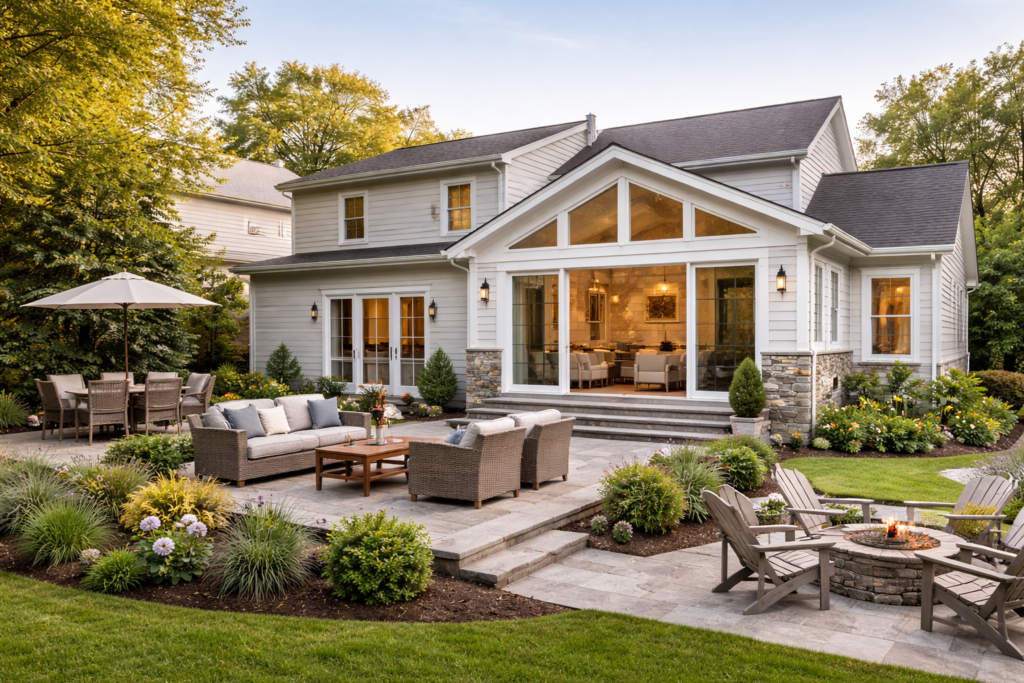
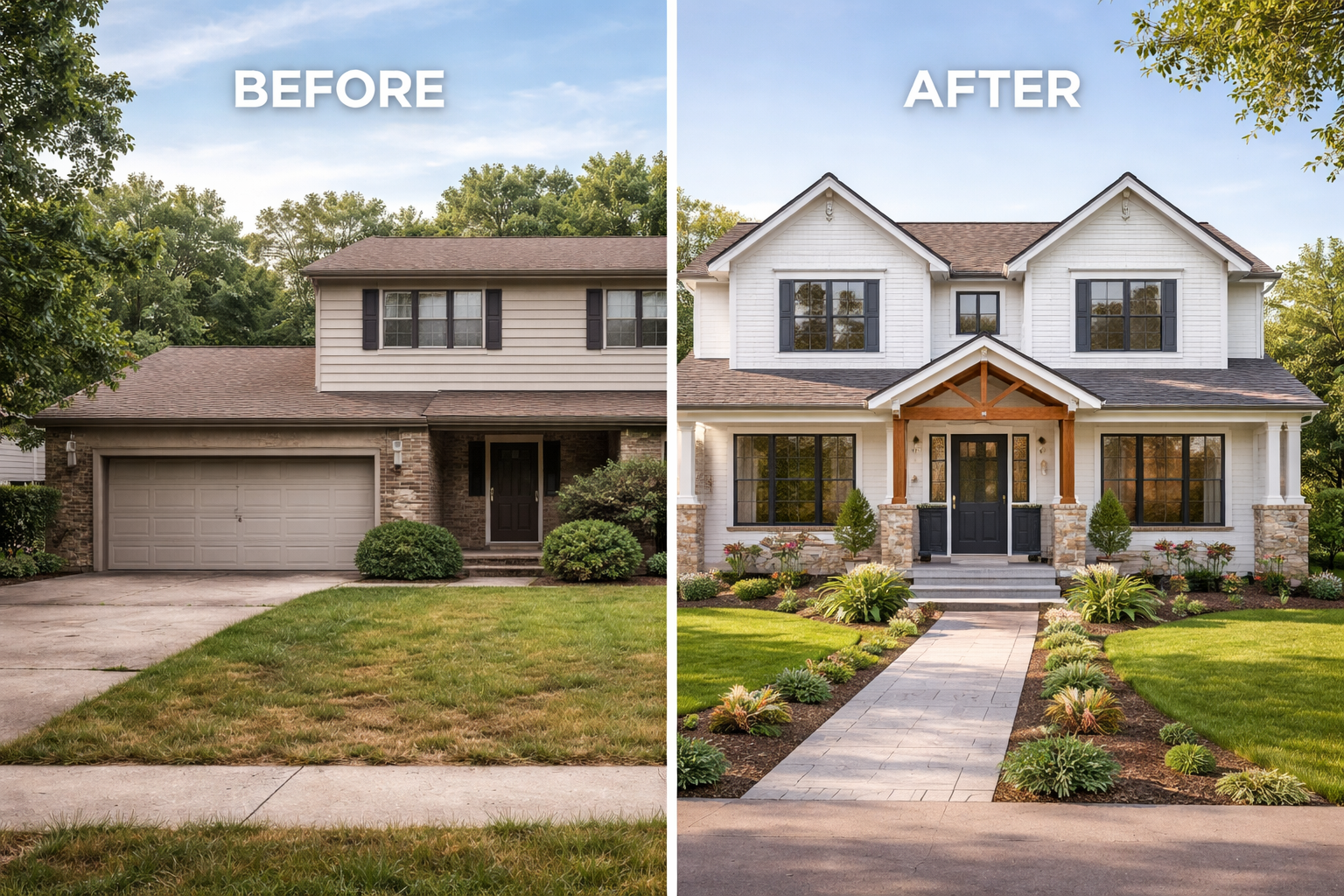
Remodeling a single room can make a difference in your home—but a whole home remodeling project has the power to completely transform how your space looks, feels, and functions. For homeowners who love their location but feel their house no longer fits their lifestyle, a full renovation can be the perfect solution.
Instead of moving to a new home, many families are choosing to reimagine their existing spaces. With thoughtful planning, modern materials, and expert craftsmanship, a whole home renovation can improve comfort, functionality, and long-term property value.
What Is Whole Home Remodeling?
Whole home remodeling involves renovating multiple areas of a house—or sometimes the entire interior—to create a cohesive, updated living environment.
This type of project often includes improvements such as:
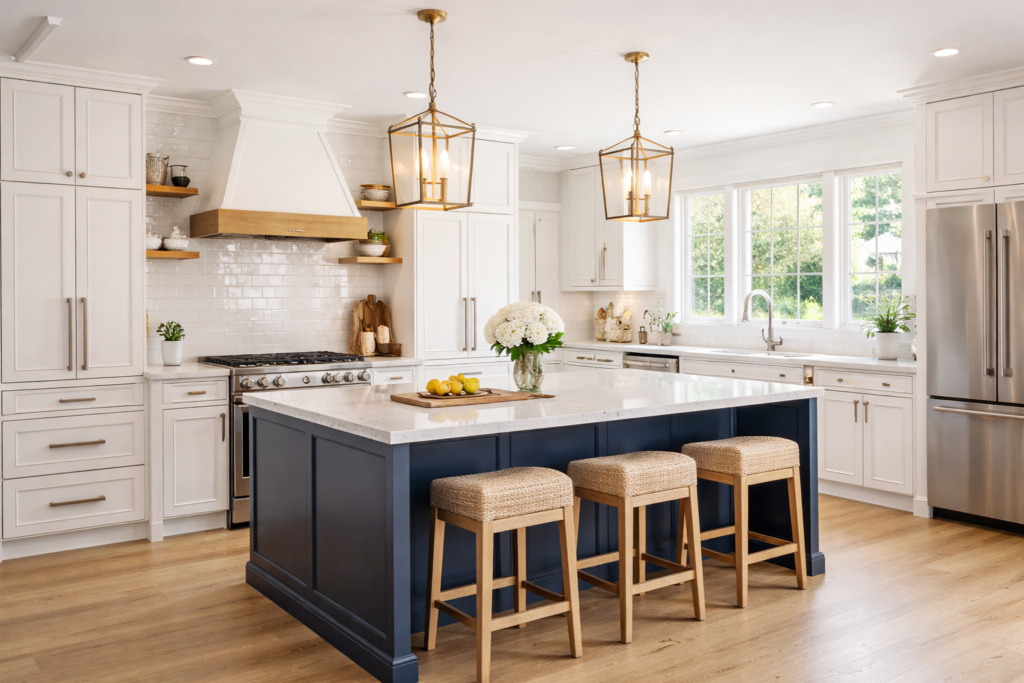
- Kitchen and bathroom renovations
- Open-concept layout conversions
- Updated flooring and finishes
- Lighting and electrical upgrades
- Structural improvements
- Interior layout redesign
Rather than making isolated upgrades, the goal is to create a harmonized design throughout the entire home.
Signs Your Home May Need a Full Remodel
Many homeowners consider a full renovation when their home no longer meets their needs. Some common reasons include:
Outdated Layout
Older homes often have compartmentalized floor plans that don’t match modern lifestyles. Opening up walls can create brighter, more connected spaces.
Lack of Storage or Functionality
As families grow, storage and functional spaces become more important. Remodeling allows you to redesign rooms for better usability.
Aging Materials and Systems
Old flooring, cabinets, plumbing, or lighting systems may require upgrades for safety, efficiency, and aesthetics.
Desire for a Modern Look
Many homeowners want to update finishes, colors, and materials to match contemporary styles.
Benefits of Whole Home Remodeling
A well-planned renovation offers several long-term advantages.
Improved Functionality
Remodeling allows you to adjust layouts, improve room flow, and make everyday activities more convenient.
Increased Home Value
Major renovations often increase property value and make homes more appealing in the real estate market.
Better Energy Efficiency
Upgrading insulation, windows, lighting, and appliances can significantly improve energy performance.
Personalized Living Spaces
A renovation allows you to design a home that reflects your lifestyle, preferences, and long-term goals.
Planning a Successful Remodeling Project
A successful whole home remodel requires careful planning and coordination.
Some important steps include:
- Defining renovation goals and priorities
- Establishing a realistic budget
- Creating a functional design plan
- Securing permits when required
- Working with experienced professionals
Having a team that manages both design and construction can simplify the entire process and help keep projects on schedule.
The Importance of Working With Experienced Professionals
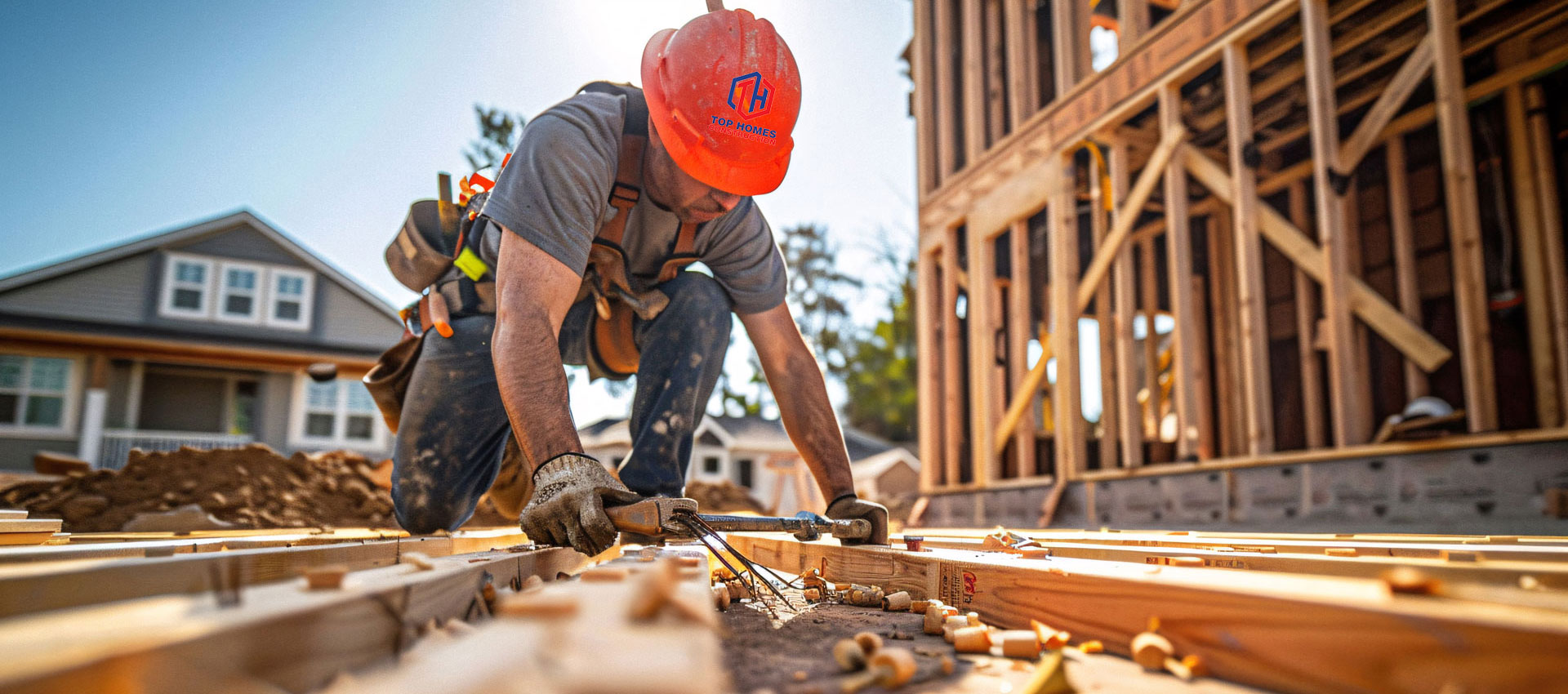
Whole home remodeling projects involve multiple systems, materials, and structural considerations. Working with experienced contractors ensures that every stage—from planning to final finishes—is handled correctly.
A professional team can help with:
- Project planning
- Structural evaluation
- Design coordination
- Construction management
- Quality control
This approach reduces delays, improves communication, and ensures the final result meets expectations.
Transform Your Home With Confidence
Your home should reflect how you live today. Whether you’re updating outdated spaces, improving functionality, or creating a completely new interior layout, whole home remodeling can turn your house into a space that truly works for you.
With the right planning and the right team, a full renovation can breathe new life into your home—delivering comfort, beauty, and lasting value for years to come.